Why consume pink Himalayan salt?
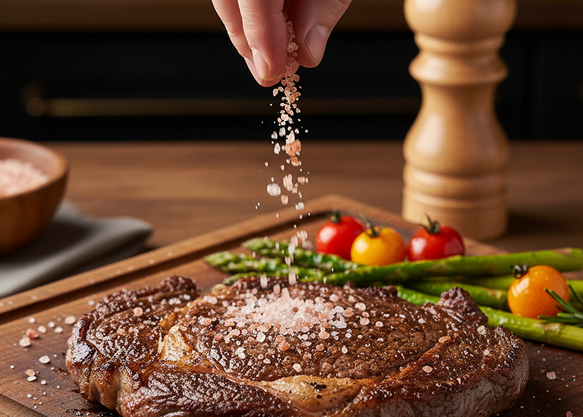
Himalayan Pink Salt has become a star ingredient in modern kitchens, winning over professional chefs and home cooks alike across the globe. Yet, beyond its distinctive pink hue and elegant appearance, this ancient salt boasts unique characteristics that set it apart from any other salt on the market.
Its rising popularity is no coincidence. Himalayan Pink Salt has gained acclaim not only for its visual appeal and unique mineral-rich flavor but also for its exceptional culinary versatility and unparalleled natural origins. This salt represents far more than a mere seasoning; it is an ingredient that bridges our contemporary kitchens with natural processes that have remained unchanged for millions of years.
In this comprehensive article, we will explore the fascinating origins of this ancient salt, discover the rich mineral composition that defines it, and learn professional techniques to maximize its potential—both in culinary applications and in alternative uses that go beyond traditional cooking. From perfect crystals for gourmet finishing touches to the spiced Himalayan salt varieties developed by Refisal, you will discover why this ancient salt deserves a prominent place in your culinary repertoire.
The ancient origins of a natural treasure
Imagine prehistoric oceans that existed millions of years ago, when Earth had a completely different configuration. Pink Himalayan salt originated from the gradual evaporation of these ancient seas, becoming preserved beneath the majestic Himalayan mountains in natural deposits that have remained untouched for millennia.
These salt deposits, located primarily in the mountainous regions of Pakistan, represent one of the purest types of salt on the planet. For millions of years, these reserves remained sealed beneath tons of rock and ice, protecting them from modern pollution and preserving their original mineral composition in perfect condition.
This salt is extracted using artisanal techniques passed down from generation to generation.
The science behind the color: exceptional mineral composition
The characteristic pink color of this salt is no coincidence; it is the result of a complex and fascinating mineral composition. Unlike common refined salt, which consists almost exclusively of sodium chloride, pink Himalayan salt contains up to eighty trace elements that contribute not only its color but also a unique, nuanced flavor profile.
This unique mineral composition explains why pink Himalayan salt has a milder, more complex flavor than traditional refined salt. Professional chefs prefer it precisely for its ability to enhance the natural flavors of ingredients without masking them.
Forms: crystals and fine grain
Himalayan pink salt is available in various forms that offer culinary versatility:
- Crystals: This form is commonly used in grinders and for finishing dishes. Its crunchy texture can enhance the dining experience, and its aesthetic appearance adds a special touch to meals.
- Fine grain: Ideal for cooking and daily use, this type of salt dissolves quickly, making it perfect for seasoning food and preparing recipes.
Both forms offer the same mineral composition, but the choice depends on the specific culinary application.
Culinary versatility: beyond simple seasoning
Advanced culinary techniques find an exceptional ally in this salt. Artisanal meat curing reaches new levels of sophistication, while brines for preserving vegetables take on a distinctive mineral note that transforms them into true culinary gems. Even in baking, small amounts can intensify the flavors of chocolate desserts, creating unexpected and delicious contrasts.
Recommendations for kitchen use
- Seasoning: Use Himalayan pink salt with spices to enhance the flavor of your dishes. Its mild, mineral-rich taste complements meats, vegetables, and fish.
- Salads: Grind pink salt crystals over salads to add a pleasant crunch and a touch of color.
- Grilling: Try cooking food on pink salt blocks. This not only imparts a delicious flavor but also adds a unique touch to your dishes.
- Marinades and rubs: Mix pink salt into your marinades to improve flavor absorption.
How to maximize the benefits of Himalayan pink salt
The ideal amount makes the difference between a good dish and a memorable dining experience. As a finishing salt, it should be used sparingly, as the crystals are potent and their flavor intensifies gradually.
In cooking, it can replace table salt in a one-to-one ratio, but its greater mineral complexity allows for slightly reduced quantities while maintaining flavor intensity.
The future of salt in your kitchen
Pink Himalayan salt represents more than just a culinary trend; it symbolizes a return to authentic, natural ingredients that connect our modern kitchens with ancient natural processes. Its ability to transform simple dishes into memorable gastronomic experiences makes it a smart investment for any kitchen aspiring to excellence.
From marinades that deeply infuse meats to finishing touches that elegantly crown gourmet dishes, this ancient salt offers limitless possibilities for exploring new culinary horizons. Its versatility, combined with its natural origin and unique mineral composition, makes it an essential ingredient for cooks who seek authenticity and quality in every dish.
Cooking with Refisal Pink Himalayan salt is more than just seasoning; it is a sensory journey that connects every bite to our planet's natural history, turning every meal into a celebration of authentic flavors and extraordinary culinary experiences.
Discover the flavors and benefits of Refisal Pink Himalayan salt and take your recipes to the next level.